
Hair loss remains one of the most common concerns for both men and women in 2026. Whether you’re noticing a receding hairline, thinning crown, or increased shedding, finding the right treatment can be challenging.
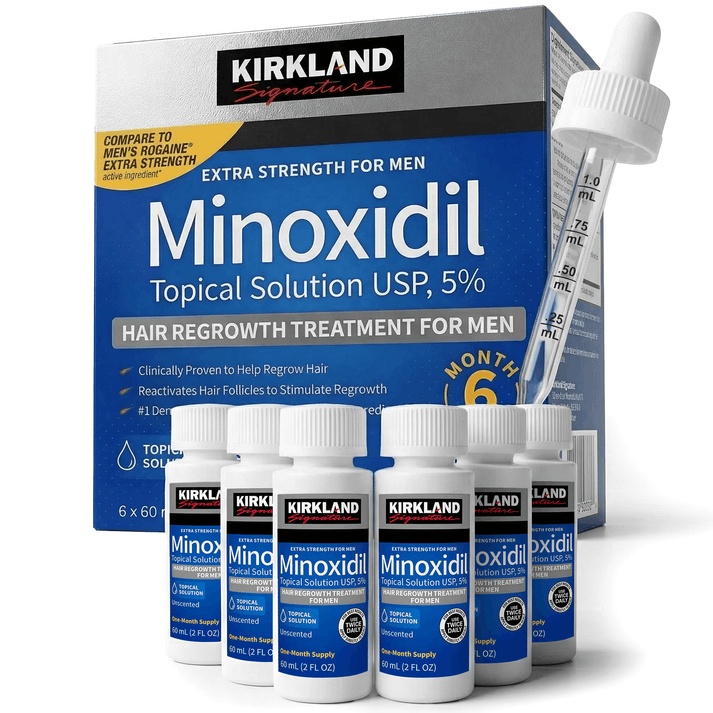
Two options that frequently appear in discussions are Koshine (KX-826) and Minoxidil. While both are designed to support hair growth and combat androgenetic alopecia (AGA), they take very different approaches.
In this Koshine vs Minoxidil comparison, we’ll examine how they work, their effectiveness, side effects, ease of use, and overall value to help you determine which hair loss solution may be the better fit for your needs.
Exclusive Koshine Discount for Dealvit Readers
Looking to try Koshine for less?
Use discount code: MEMBER26 save 15% OFF
Buy now: https://www.koshinemall.com?sca_ref=11244419.Za7hlQmd0duy
Save on eligible Koshine purchases when ordering through the official website.
Discount availability may change without notice.
Quick Verdict
Best for Proven Clinical Evidence
✔ Minoxidil
Best for Non-Greasy Daily Use
✔ Koshine
Best Budget-Friendly Option
✔ Minoxidil
Best Comfort and Convenience
✔ Koshine
Overall
If you want a treatment backed by decades of research and FDA approval, Minoxidil remains the safer choice.
If you prefer a newer, non-greasy solution that may avoid the initial shedding phase commonly associated with Minoxidil, Koshine may be worth considering.
Quick Comparison Table: Koshine vs Minoxidil
| Feature | Koshine (KX-826) | Minoxidil |
|---|---|---|
| What it is | New topical treatment featuring KX-826 | Established topical hair loss treatment |
| Primary Use | Androgenetic alopecia (AGA) | Male and female pattern hair loss |
| Mechanism | Hair follicle pathway regulation | Potassium channel opener and vasodilator |
| FDA Status | Not FDA-approved (current information) | FDA-approved for pattern hair loss |
| Initial Shedding Phase | Generally promoted as non-shedding | Often causes temporary shedding |
| Finish on Scalp | Non-greasy and invisible | May leave residue depending on formulation |
| Common Side Effects | Scalp irritation, redness, sensitivity | Irritation, itching, unwanted hair growth |
| Cost | Typically higher | Generally more affordable |
| Availability | Primarily online | Widely available |
What Is Koshine?
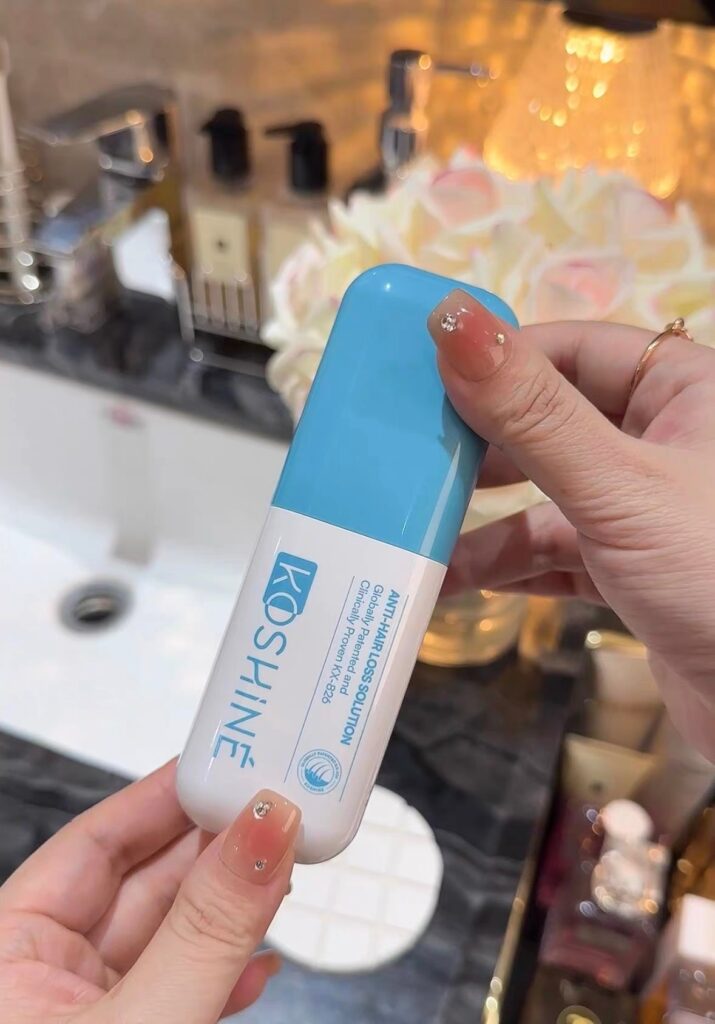
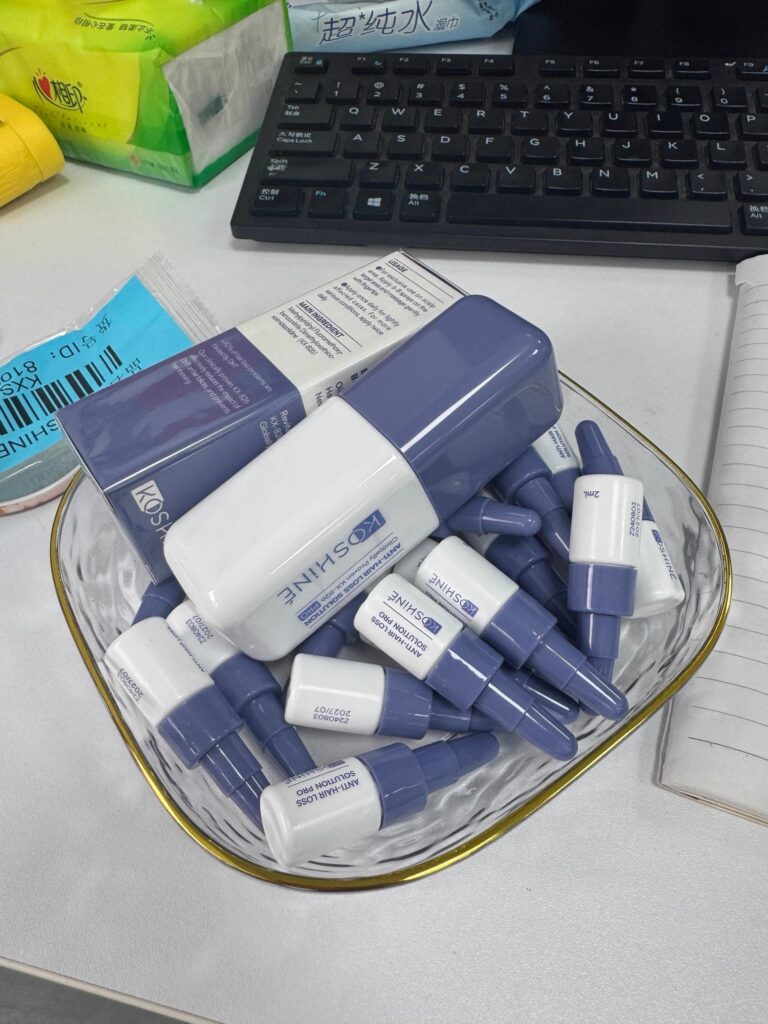
Koshine, also known as KOSHINÉ, is a topical hair loss treatment featuring the active ingredient KX-826.
The product is designed primarily for people experiencing androgenetic alopecia (AGA), the most common form of hair loss associated with genetics and hormone sensitivity.
Koshine is marketed as:
- Non-greasy
- Invisible on the scalp
- Comfortable for daily use
- Suitable for people seeking alternatives to traditional treatments
One of its biggest selling points is the claim that it may avoid the noticeable shedding phase commonly experienced by some Minoxidil users.
What Is Minoxidil?
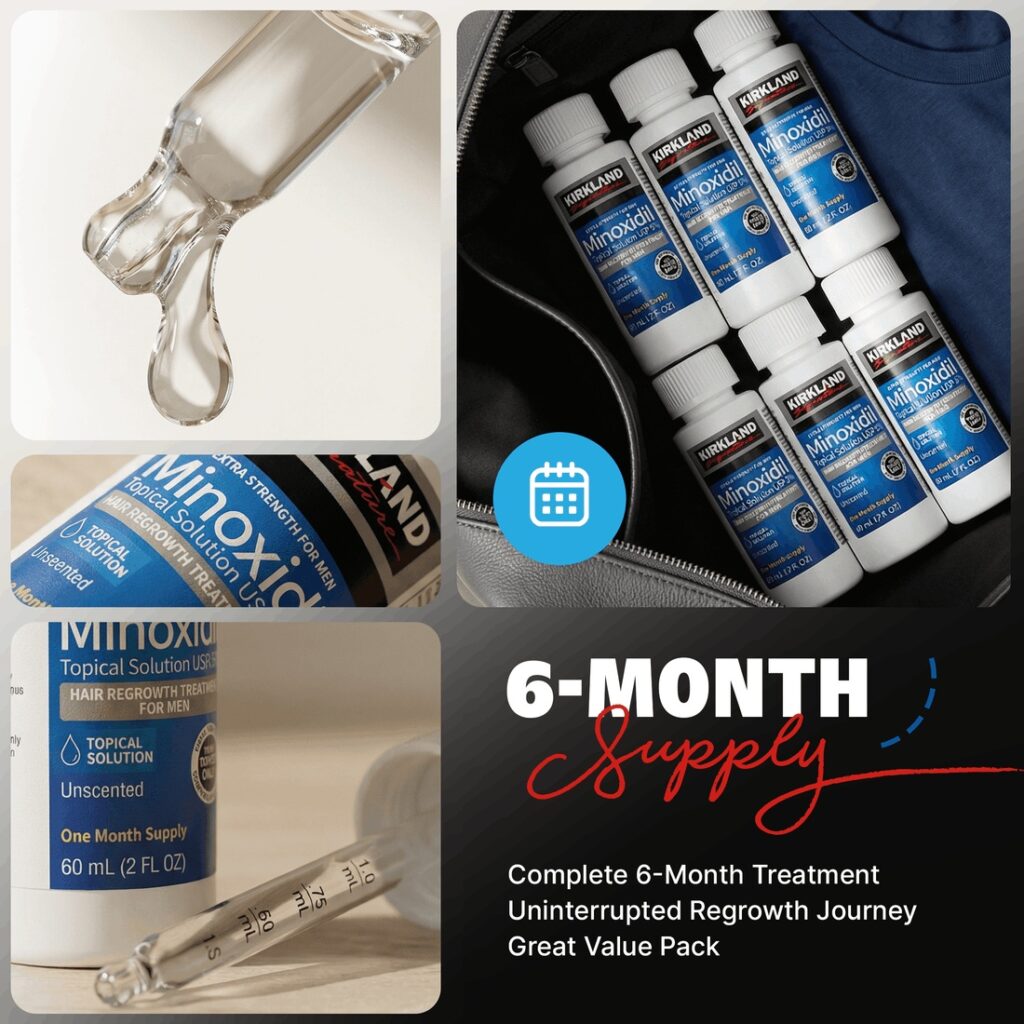
Minoxidil is one of the most widely recognised hair loss treatments in the world.
Originally developed as a blood pressure medication, it was later discovered to stimulate hair growth and became an FDA-approved treatment for pattern hair loss.
Today, Minoxidil is available in:
- 2% solutions
- 5% solutions
- Foams
- Various branded and generic versions
Key characteristics include:
- Extensive clinical research
- FDA approval
- Wide availability
- Affordable pricing
Because of its long history, Minoxidil remains one of the most commonly recommended topical hair loss treatments.
Ingredients Comparison
Koshine
Active Ingredient:
- KX-826
Additional ingredients typically support absorption and product stability.
The formula focuses primarily on a single active compound rather than combining multiple hair-growth ingredients.
Minoxidil
Active Ingredient:
- Minoxidil (typically 2% or 5%)
Common supporting ingredients include:
- Ethanol
- Propylene glycol
- Purified water
While formulations vary by manufacturer, Minoxidil remains the primary active ingredient.
Key Difference
Koshine relies on a newer active ingredient that is still building long-term clinical evidence.
Minoxidil relies on an active ingredient with decades of clinical research and regulatory approval.
How They Work
Koshine (KX-826)
KX-826 is designed to support healthy hair follicle function and help regulate the hair growth cycle.
Current evidence suggests it may:
- Support follicle activity
- Help maintain the growth phase of hair
- Address pathways involved in androgenetic alopecia
Because KX-826 is relatively new, much of the available information comes from brand materials and emerging research.
Minoxidil
Minoxidil works differently.
It functions as a potassium channel opener and vasodilator, helping improve blood flow around hair follicles.
Researchers believe this can:
- Extend the growth phase of hair
- Improve follicle activity
- Increase hair density over time
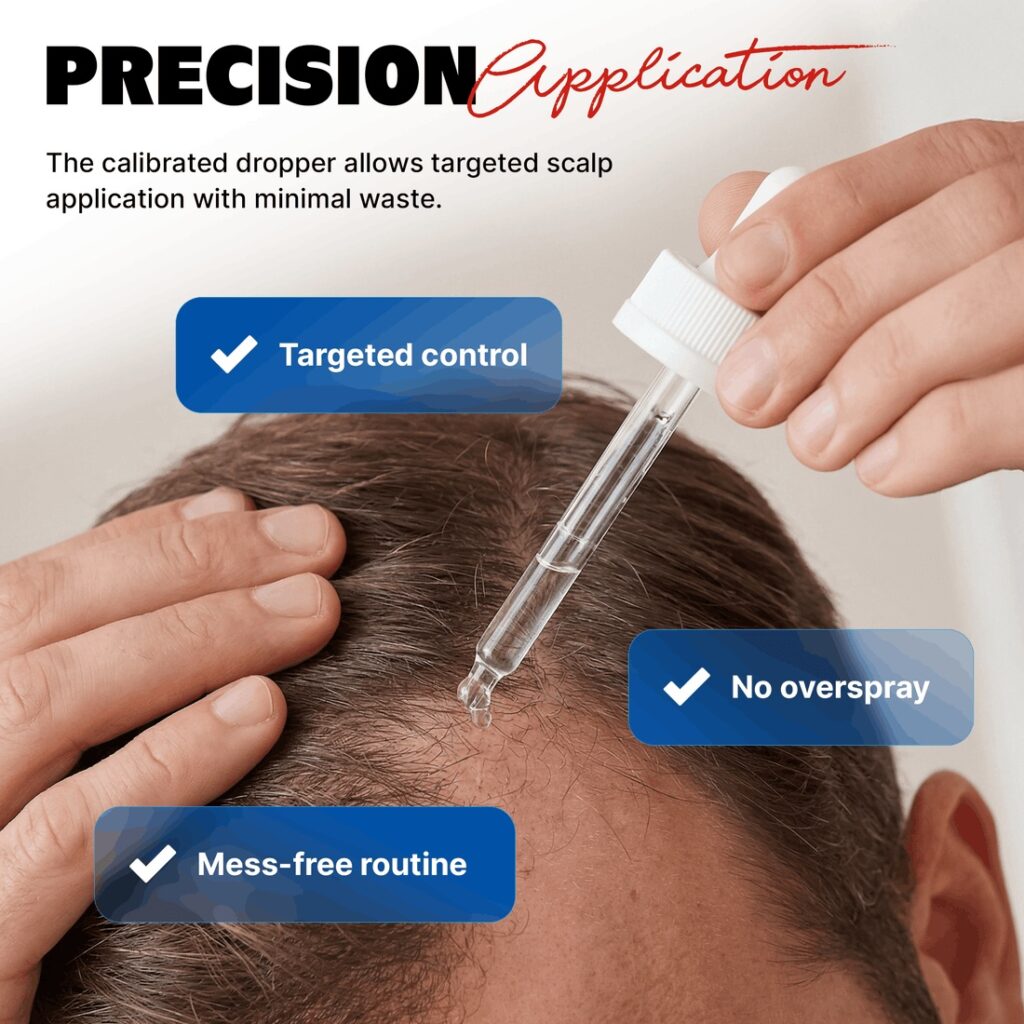
Clinical studies have consistently shown that Minoxidil can improve hair density and thickness in many users when used consistently over several months.
Effectiveness for Hair Growth
Koshine
Available clinical and consumer data suggest that Koshine may:
- Support hair revitalisation
- Improve the appearance of thinning areas
- Provide a comfortable user experience
Potential advantages include:
- Non-greasy formula
- No widely reported shedding phase
- Easy daytime application
However, long-term independent research remains limited.
Minoxidil
Minoxidil remains one of the most evidence-backed topical hair loss treatments available.
Benefits include:
- Strong clinical support
- Proven effectiveness for many users
- FDA approval
- Long-term real-world usage data
For users seeking the most established topical treatment, Minoxidil still sets the benchmark.
Side Effects and Safety
Koshine
Possible side effects include:
- Scalp irritation
- Redness
- Sensitivity to ethanol-based ingredients
People with highly sensitive scalps may wish to perform a patch test before full use.
Minoxidil
Possible side effects include:
- Itching
- Dryness
- Scalp irritation
- Temporary shedding phase
- Unwanted facial or body hair growth in some users
Most users tolerate topical Minoxidil well when used as directed.
Ease of Use
Koshine
Advantages:
- Non-greasy finish
- Invisible after application
- Comfortable for daytime use
- No commonly reported shedding phase
Minoxidil
Advantages:
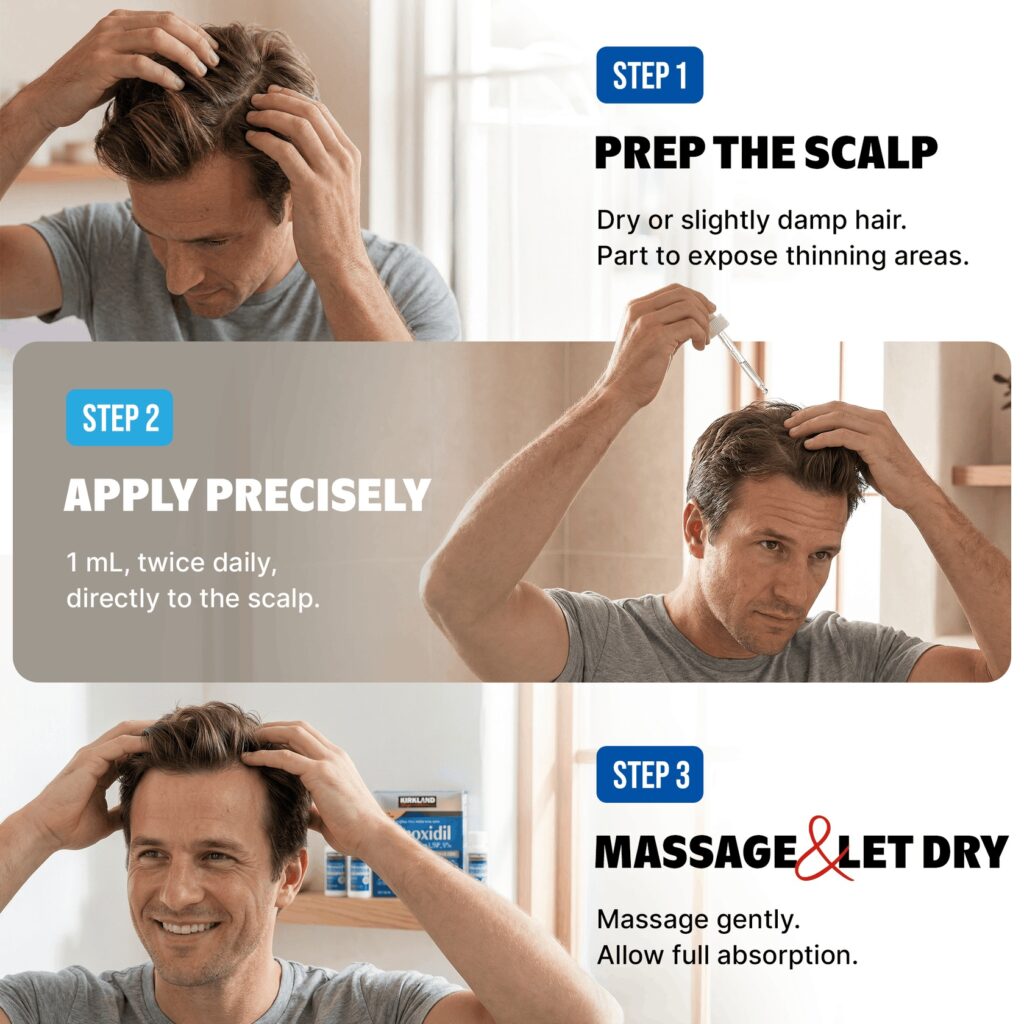
- Easy to apply
- Widely available
- Multiple formulations available
Potential drawbacks:
- Can feel sticky or greasy
- Shedding phase may discourage some users
For convenience and comfort, many users may prefer Koshine’s application experience.
Cost Comparison
Koshine
- Premium pricing
- Newer technology
- Primarily sold through official channels
Minoxidil
- Widely available
- Competitive pricing
- Generic versions available
If budget is your top concern, Minoxidil generally offers better value.
If comfort and cosmetic appearance matter more, Koshine may justify the additional cost.
Who Should Choose Koshine?
Koshine may be suitable for:
- Individuals with early to moderate AGA
- Users seeking a non-greasy formula
- People concerned about shedding
- Those looking for a newer alternative to Minoxidil
- Users prioritising comfort and convenience
Who Should Choose Minoxidil?
Minoxidil may be ideal for:
- Individuals wanting FDA-approved treatment
- Users who prioritise strong clinical evidence
- Budget-conscious buyers
- Men and women experiencing pattern hair loss
- Those comfortable with long-term maintenance
Pros and Cons
Koshine
Pros
✔ Non-greasy formula
✔ Invisible on the scalp
✔ Comfortable daily use
✔ No commonly reported shedding phase
✔ Innovative active ingredient
Cons
✘ Less long-term research
✘ Higher cost
✘ More limited availability
✘ Potential irritation in sensitive users
Minoxidil
Pros
✔ FDA-approved
✔ Decades of clinical research
✔ Widely available
✔ Affordable
✔ Proven effectiveness
Cons
✘ Temporary shedding phase
✘ Can feel greasy or sticky
✘ May cause irritation
✘ Requires continuous use
Final Verdict: Koshine vs Minoxidil in 2026
Both Koshine and Minoxidil can play a role in managing hair loss, but they appeal to different users.
Choose Minoxidil If:
- You want the most established topical treatment available.
- FDA approval matters to you.
- You prefer extensive clinical evidence.
- Budget is a key consideration.
Choose Koshine If:
- You want a non-greasy formula.
- You dislike the idea of an initial shedding phase.
- Comfort and appearance during daily use are important.
- You’re interested in newer hair-loss technologies.
Ultimately, Minoxidil remains the gold standard for evidence-based topical hair loss treatment.
However, Koshine offers an interesting alternative for users seeking a more comfortable and modern hair-care experience.
Frequently Asked Questions
Can I use Koshine and Minoxidil together?
There is currently limited research on combining the two. Because multiple topical treatments may increase irritation, consult a dermatologist before combining products.
Do I need to use Koshine or Minoxidil long term?
Hair-loss treatments generally require ongoing use to maintain results. Stopping treatment often leads to gradual hair loss returning over time.
Which is better for women?
Minoxidil has stronger clinical evidence and FDA approval for female pattern hair loss. Koshine may appeal to women seeking a non-greasy alternative.
Can either product cause unwanted hair growth?
Minoxidil has been associated with unwanted facial or body hair growth in some users. Available data for Koshine is currently more limited.
Is Koshine FDA-approved?
As of current information, Koshine (KX-826) is not FDA-approved. Minoxidil is FDA-approved for topical treatment of pattern hair loss.