

Introduction: Support That Feels Like a Hug, Not a Squeeze
The weeks and months after birth can feel like starting life in a brand-new body. Your core, pelvic floor and lower back are all working hard to recover, while you’re also learning to care for a newborn. In this season, the right support can make the difference between “just coping” and moving more freely and confidently.
That’s where Everform Therapywear comes in: a range of maternity and postpartum shorts and leggings designed by women’s health professionals to support your pelvic floor, core and lower back in a gentle, therapeutic way. But to get the most out of this support, you need the right size and a smart wearing routine. This guide walks you through exactly how to choose your size and how to use Everform Therapywear for the best postpartum results.
If you already have a sense of your size and just want to shop, you can skip ahead to the postpartum collection and check current offers through our trusted partner link and exclusive code at the end of this article.
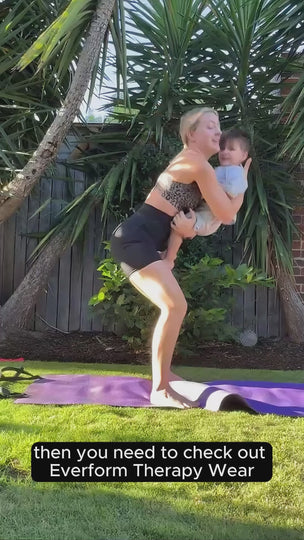
Why the Right Size Matters So Much After Birth
Postpartum compression is not just about “tight equals better”. The whole idea of Everform Therapywear is targeted, therapeutic support – not shapewear that squeezes you for the sake of looks.
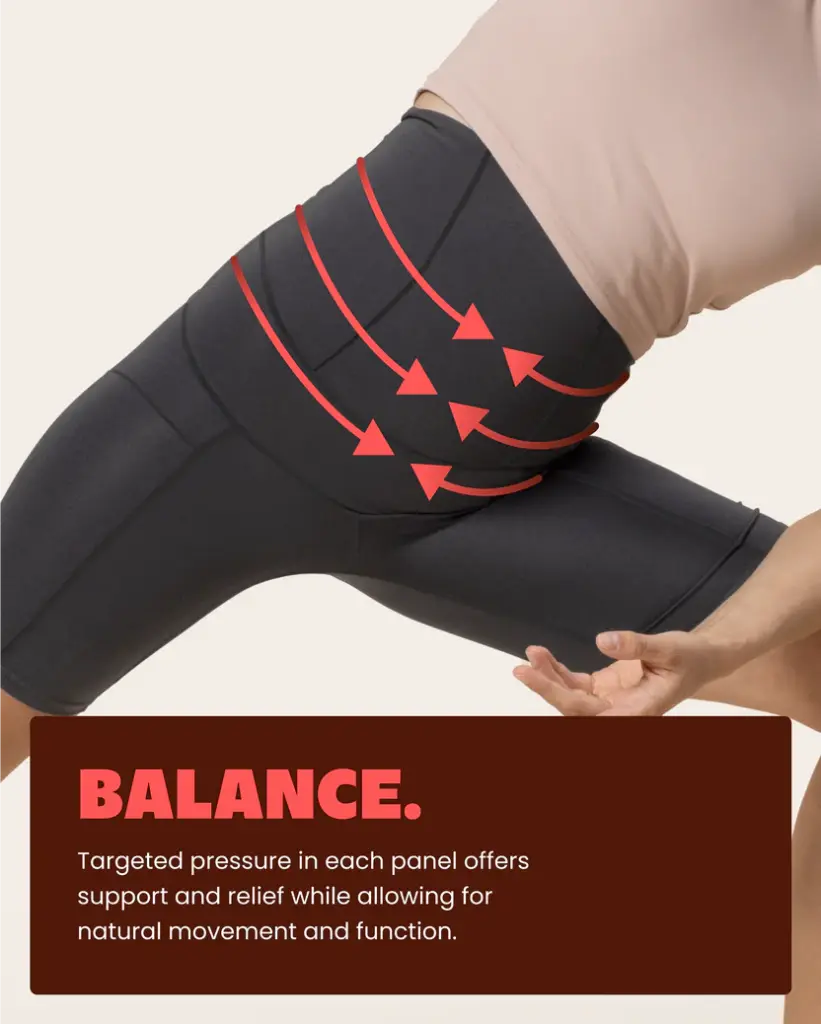
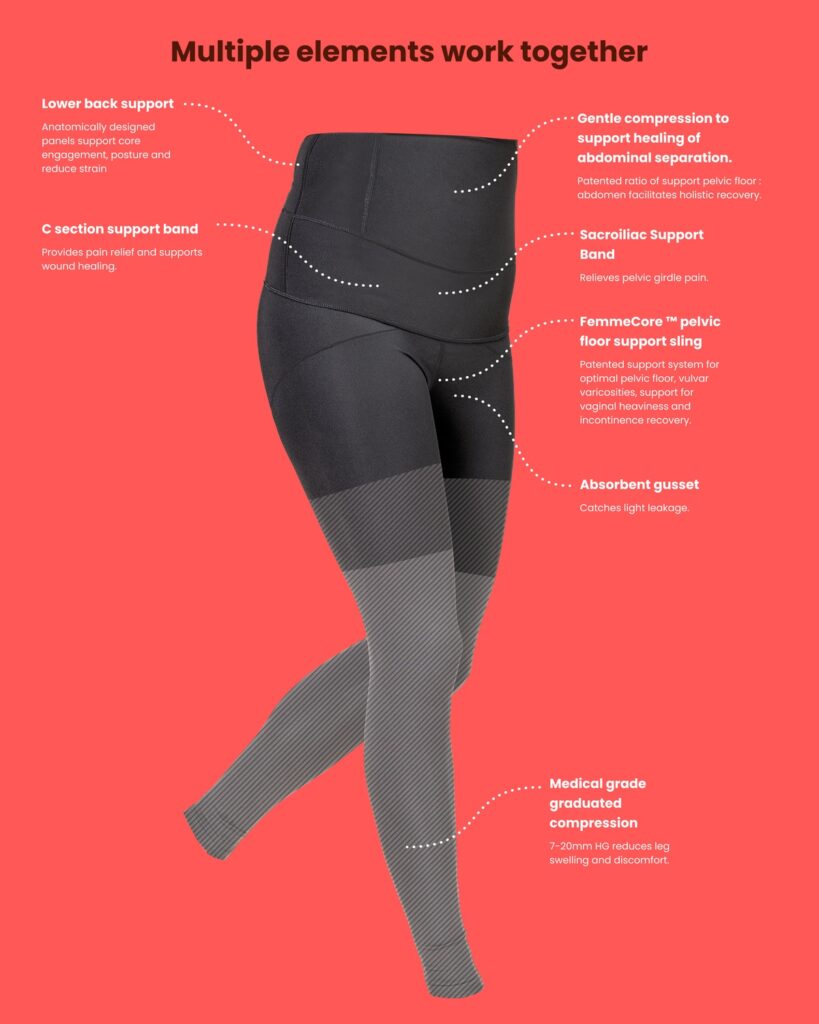
- The patented FemmeCore™ panel is designed to gently lift and support your pelvic floor and lower abdomen using specific pressure ratios.
- A built‑in sacroiliac support band helps align and support your lower back and pelvis, especially after the biomechanical changes of pregnancy and birth.
- Daily wear is intended to assist with symptoms such as pelvic heaviness, core weakness and discomfort when walking, lifting or standing.
When the garment is too small, it can feel restrictive, dig in at the waist or thighs, and you’re unlikely to wear it for long enough each day to benefit. When it’s too big, you lose that “lifted, held” feeling around your pelvis and abdomen. The right size should feel like a firm, comforting hug: supportive, relieving, and never painful.
Everform Sizing Basics: How Their Sizes Work
Everform uses standard AU/US sizing as a base, which means in many cases you can start by thinking about what you normally wear. For postpartum, though, there are a few extra points to keep in mind.
Key basics to know:
- Everform’s sizing is designed to work with your pregnancy and postpartum journey, based on average, healthy weight changes.
- The garments are meant to feel firm on first wear to achieve their therapeutic effect, but not restrictive or painful.
- The compression will adapt to your body over the first 48–72 hours, softening slightly as the fabric moulds to your shape.
If you’re between sizes or sensitive to firm clothing, Everform explicitly recommends going with comfort – selecting the recommended size for support, or sizing up if you’re unsure.
Not quite sure from your own measurements? You can always refer to the official sizing charts or book a virtual fitting session with Everform’s team for personalised guidance.
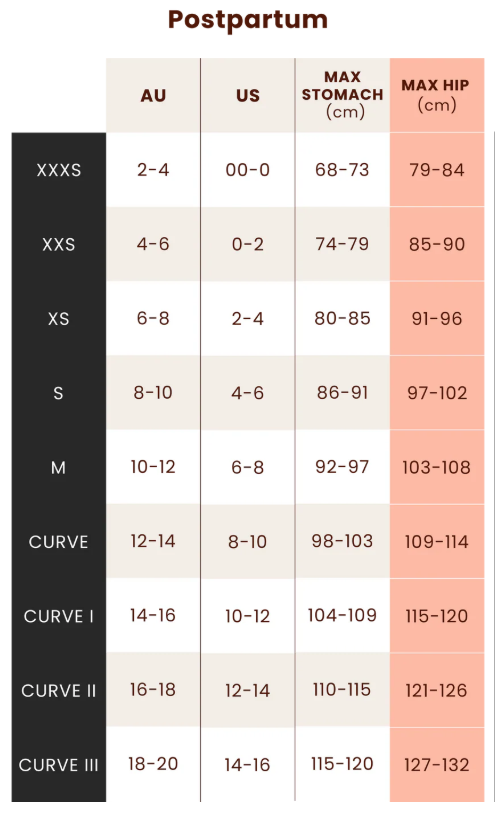
Step‑by‑Step: How to Measure Yourself Correctly
Everform’s own “Getting Started” guide emphasizes that accurate measuring is the first step to a great fit. Here’s how to do it at home:
- Measure at your widest hips
Stand straight in fitted clothing or underwear, and wrap a flexible tape around the widest part of your hips and bottom, keeping it level all the way around. - Take your measurement on an “average” day
Postpartum bodies can change across the day due to swelling, fluid shifts and bloating. Try to measure at a time of day that feels typical for you, not immediately after a huge meal or a long, hot day on your feet. - Match your measurement to the postpartum size chart
Once you have your hip measurement, refer to Everform’s postpartum sizing chart for shorts or leggings. Choose the size that most closely aligns with your measurement, using their recommended ranges. - If you sit between two sizes, choose comfort
If your measurement sits right on the edge between two sizes, Everform suggests choosing the size that will still give firm support without feeling harsh – for many women, that means sizing up. - Consider your sensitivity to pressure
If you know you dislike tight waistbands, have a history of abdominal surgery, or you’re very early postpartum and still very tender, err on the side of gentler compression. You can always reassess your size once your body has settled a little.
How Everform Should Feel on Your Body
A lot of mums wonder, “Is this too tight or is this how it’s supposed to feel?” Because Everform is therapeutic compression, some firmness is expected – but there are clear signs of a good fit versus a poor one.
A good size usually feels:
- Firm but breathable around your lower abdomen, hips and pelvis.
- Like a supportive “lift” around your pelvic floor and core, especially when you stand or walk.
- Comfortable enough to wear for several hours at a time without constantly adjusting.
Signs it may be too small:
- Sharp digging at the waist or thigh bands.
- Indentations that stay in your skin for a long time after you take the garment off.
- Numbness, tingling, or a feeling of being restricted in your breathing.
Signs it may be too big:
- Loose fabric that bunches or folds when you move.
- A “baggy” feeling where you expect lift and support, especially around the pelvic floor and lower tummy.
- The garment sliding down easily as you walk or lift your baby.
If in doubt, it’s better to choose a size that feels like a supportive hug rather than a strict corset. The goal is to support your recovery, not distract you from your baby.
When to Start Wearing Everform Postpartum – And For How Long
Everform postpartum products are designed to support both vaginal and C‑section recovery, including support for wound healing, pelvic floor and perineum, and organ support. Your exact start time will depend on your birth and your healthcare provider’s advice, but as a general guide:
- After vaginal birth
Many women begin wearing gentle postpartum support as soon as they feel ready and comfortable, once any immediate medical concerns are cleared. Everform’s design aims to be supportive rather than restrictive, but always confirm with your midwife, obstetrician or physio. - After C‑section
Everform postpartum wear is designed to help support C‑section wound healing and provide abdominal support. You may start once you’ve had clearance from your healthcare team, and when any dressings or incisions are adequately protected. - How many hours per day?
Start with shorter blocks (for example 2–3 hours) to let your body adjust to the new level of support. Gradually increase up to most of your waking hours as long as you remain comfortable. Many mums like to wear their therapywear during the most active parts of the day – school runs, outings, housework, or when symptoms like pelvic heaviness are most noticeable.
If you have a complex birth history or existing pelvic floor conditions, pairing Everform with guidance from a women’s health physio can help you tailor your wearing schedule to your specific needs.
Everyday Ways to Use Everform Therapywear for Best Results
To get the most from your investment, think of Everform as a daily tool that integrates into your real life – not just something you pull out occasionally.
Here are some practical ideas:
- During walks and light exercise
Wear your postpartum shorts or leggings during pram walks, gentle home workouts or physio‑approved exercises. The added pelvic and core support can make movement more comfortable and help you feel more stable. - For long periods on your feet
If you notice symptoms like pelvic heaviness or low back ache after standing or walking for a long time, using Everform during those busier hours can make a noticeable difference. - When lifting and carrying your baby
Postpartum life is full of lifting – prams, capsules, toddlers and more. Wearing therapywear during these times can provide an extra layer of support around your core and pelvic floor as you build your strength back up. - Under everyday outfits
Everform is designed to sit smoothly under clothes, so you can wear it under dresses, jeans or lounge sets. The more consistently you wear it (within your comfort level), the more you’re likely to feel the cumulative benefits.
Remember: the aim is not to rely on compression forever, but to use it as a smart, supportive bridge while your body heals and regains strength.
Why Choose Everform Over Regular Shapewear or Generic Compression?
There are plenty of “postpartum tights” and shapewear pieces on the market – but Everform was designed from the ground up as therapywear, not just fashion compression.
Key reasons many women’s health professionals recommend it:
- Pelvic‑floor‑first design: The patented FemmeCore™ system provides targeted support to the pelvic floor and abdomen, with specific pressure ratios that aim to support pelvic floor tone and reduce the risk of long‑term disorders such as prolapse and incontinence.
- Thoughtful sacroiliac and core support: The built‑in sacroiliac support band helps align joints and support your lower back as your posture and centre of gravity change again after birth.
- Designed by people who work with mums: Everform has been recommended by women’s health professionals, including physio and perinatal specialists who look after prenatal and postnatal clients every day.
- Made for daily life: The garments are designed to be worn across your pregnancy and postpartum journey, not as a one‑off “special occasion” piece.
Instead of squeezing you into a smaller silhouette, Everform focuses on supporting how your body feels and functions, so you can move with more ease and confidence.
Real‑Life Experience: How Everform Feels in Daily Postpartum Life
While every body and birth story is different, there are some common themes that show up in real‑life experiences with Everform Therapywear:
- “I feel more held together when I’m on my feet.”
Many mums describe a subtle yet noticeable difference in how “solid” they feel around the pelvis and core when wearing their Everform shorts or leggings – especially during long days of walking, carrying and bending. - “It’s like a gentle reminder to move well.”
The combination of lift and support can act as a physical reminder to stack your posture, use your legs to lift, and avoid the “slouch and strain” positions that are so easy to fall into when you’re tired. - “I can actually keep up with my toddler.”
For second‑ or third‑time mums, feeling supported enough to chase older kids or navigate playgrounds while still recovering from birth can be a game‑changer.
Your experience will be unique, but the aim is the same: to help you feel more stable, more comfortable and better supported as you navigate everyday life with a baby.
If you’d like to explore the postpartum range and current offers, you can head straight to the official Everform store via our affiliate link at the bottom of this guide.
How to Put On and Care for Your Everform Therapywear
To protect your investment and keep the therapeutic properties working as intended, a good “care routine” is just as important as a good size.
Putting it on:
- Step into the garment like a pair of tights, gathering the fabric and easing it up gradually.
- Adjust the waistband so it sits comfortably without rolling, and smooth the fabric over your lower abdomen and hips so the panels sit where they’re designed to support you.
- Check that there are no sharp folds or twists in the fabric – this ensures that compression is evenly distributed.
Caring for it:
- Follow the washing instructions on the care label – usually a cool, gentle wash to protect the fibres and support zones.
- Avoid harsh detergents, bleach and high‑heat drying, which can break down compression and elasticity faster.
- Rotate between two pairs if you plan to wear Everform daily, so each garment has time to recover its shape between wears.
Gentle Reminder: Everform Is Support, Not a Substitute for Medical Care
Everform Therapywear is designed to complement, not replace, the guidance of your healthcare team. If you have significant pelvic pain, heavy bleeding, severe incontinence, prolapse symptoms or other concerning issues, always speak to a qualified health professional.
Think of therapywear as one tool in your postpartum toolkit – alongside rest, targeted exercises, good nutrition and professional care where needed.
Ready to Try Everform? Here’s How to Get Started
If this guide has helped you feel clearer about how to choose your size and how to use Everform day‑to‑day, your next step is simple:
- Measure your hips following the steps above.
- Check your size against the postpartum chart on the Everform website.
- Choose the style (shorts or leggings) that best fits your climate and lifestyle.
- Start with a realistic wearing schedule and build up as your body adjusts.
Exclusive offer:
You can shop Everform Therapywear through our trusted partner link here: https://everformtherapywear.sjv.io/dealvit and use the exclusive code 15$: PHAMDUCBAC15 at checkout for a special discount on your postpartum support set.
This way, you’re not only investing in your own recovery, but also supporting the creation of more free, evidence‑informed resources for mums just like you.postpartum leggings