


Getting kids to eat vegetables can sometimes feel like an endless battle. One day they love carrots, the next day they refuse to touch them. Many parents know vegetables are important for healthy growth and development, but getting children to actually eat them is often easier said than done.
The good news is that helping kids eat more vegetables doesn’t have to involve arguments, bribes, or stressful mealtimes. With the right approach, you can gradually build healthier habits while making vegetables a normal part of everyday life.
In this guide, we’ll explore practical strategies that work for many families, along with a simple solution that can help fill nutritional gaps when picky eating becomes a challenge.
Why Do Kids Refuse Vegetables?
Children are naturally drawn to sweet and familiar flavors. Many vegetables have bitter notes that can feel overwhelming to young taste buds.
Some common reasons kids reject vegetables include:
- Preference for sweet foods
- Sensitivity to texture or smell
- Fear of trying unfamiliar foods
- Previous negative experiences at mealtime
- Limited exposure to vegetables during early childhood
For some children, especially those with sensory sensitivities, certain vegetable textures can feel unpleasant or even distressing. In these situations, pressure and forcing usually make the problem worse rather than better.
The goal should be exposure, not perfection.
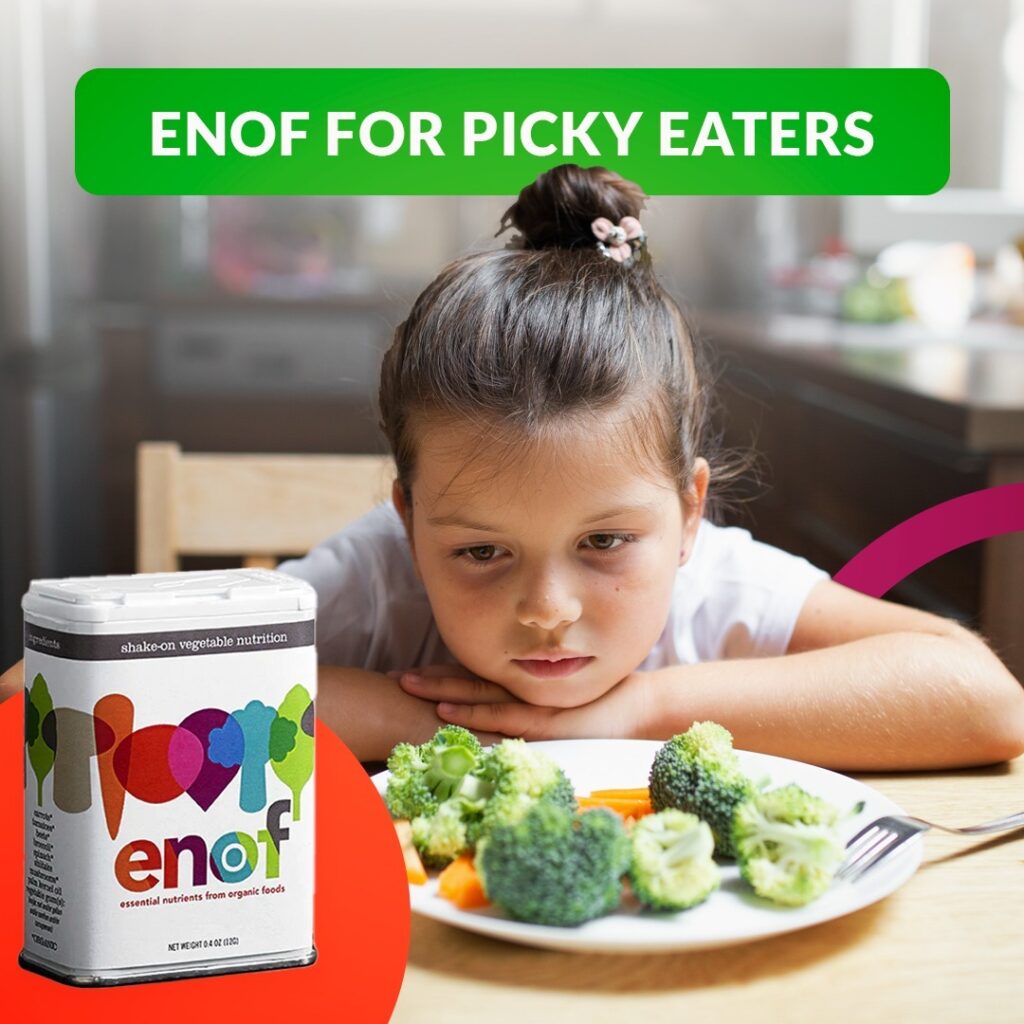
How Much Vegetables Do Kids Need?
Most health experts recommend that children consume vegetables every day as part of a balanced diet. Depending on age, activity level, and eating habits, this often means multiple servings throughout the day rather than a single portion at dinner.
Unfortunately, many families struggle to meet these recommendations because of:
- Busy schedules
- Picky eating habits
- Limited meal preparation time
- Difficulty finding vegetables children enjoy
That’s why many parents use a combination of visible vegetables, hidden vegetables, and nutritional support strategies to help bridge the gap.
Strategy #1: Make Vegetables a Normal Part of Every Meal
One of the biggest mistakes parents make is treating vegetables as a special challenge or negotiation.
Instead:
- Place small portions of vegetables on the table regularly.
- Keep serving them even when they’re ignored.
- Avoid turning vegetables into a reward or punishment.
- Let children interact with vegetables without pressure.
Research has shown that repeated exposure often increases acceptance over time. A child may need many exposures before willingly trying a new food.
The key is consistency.

Strategy #2: Let Kids Help Prepare Food
Children are often more interested in foods they helped create.
Simple tasks such as:
- Washing vegetables
- Mixing ingredients
- Stirring soups
- Decorating homemade pizzas
- Building colorful salads
can make vegetables feel less intimidating.
Cooking together also creates positive associations with healthy foods and encourages curiosity.
For younger children, turning meal preparation into a game can make a huge difference.
Strategy #3: Serve Vegetables in Kid-Friendly Ways
Presentation matters more than many parents realize.
Some easy ideas include:
- Vegetable sticks with dips
- Smooth soups
- Pasta sauces with blended vegetables
- Homemade tacos with finely chopped vegetables
- Vegetable-packed muffins
- Colorful snack trays
The goal isn’t to hide vegetables forever. It’s simply to make them easier and more enjoyable for children to accept.
Small wins eventually lead to bigger changes.
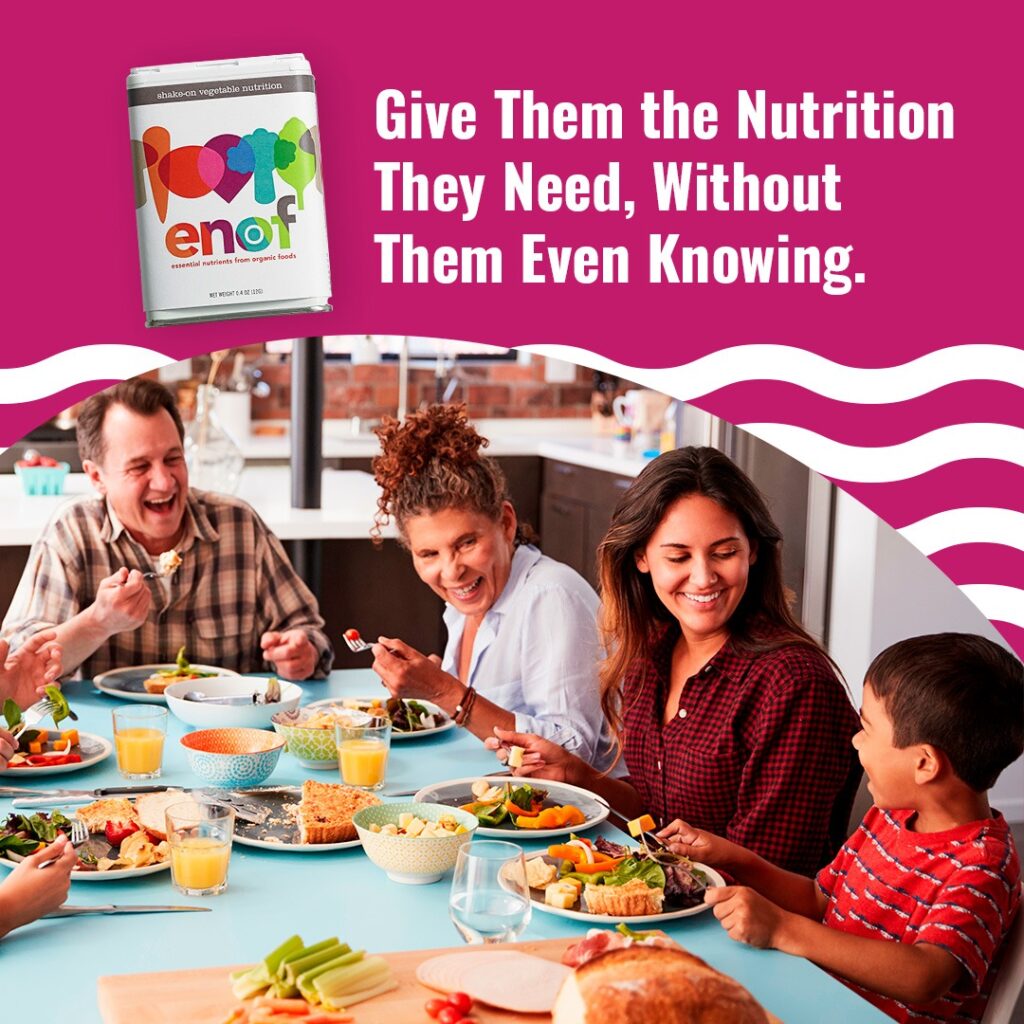
Strategy #4: Sneak Extra Vegetables Into Foods They Already Love
Even with patience and consistency, some children still struggle to consume enough vegetables.
This is where many parents start looking for practical solutions that can help support nutrition without creating daily mealtime battles.
One option that has become increasingly popular among families is ENOF (pronounced “enough”), an organic fruit and vegetable powder designed to blend into everyday foods.
Unlike many traditional supplements, ENOF is made from real organic fruits and vegetables and contains no synthetic vitamins, artificial colors, or added sugars.
According to the manufacturer, a serving of ENOF provides nutrients derived from organic fruits and vegetables and can be mixed into foods with virtually no noticeable change in taste or texture.
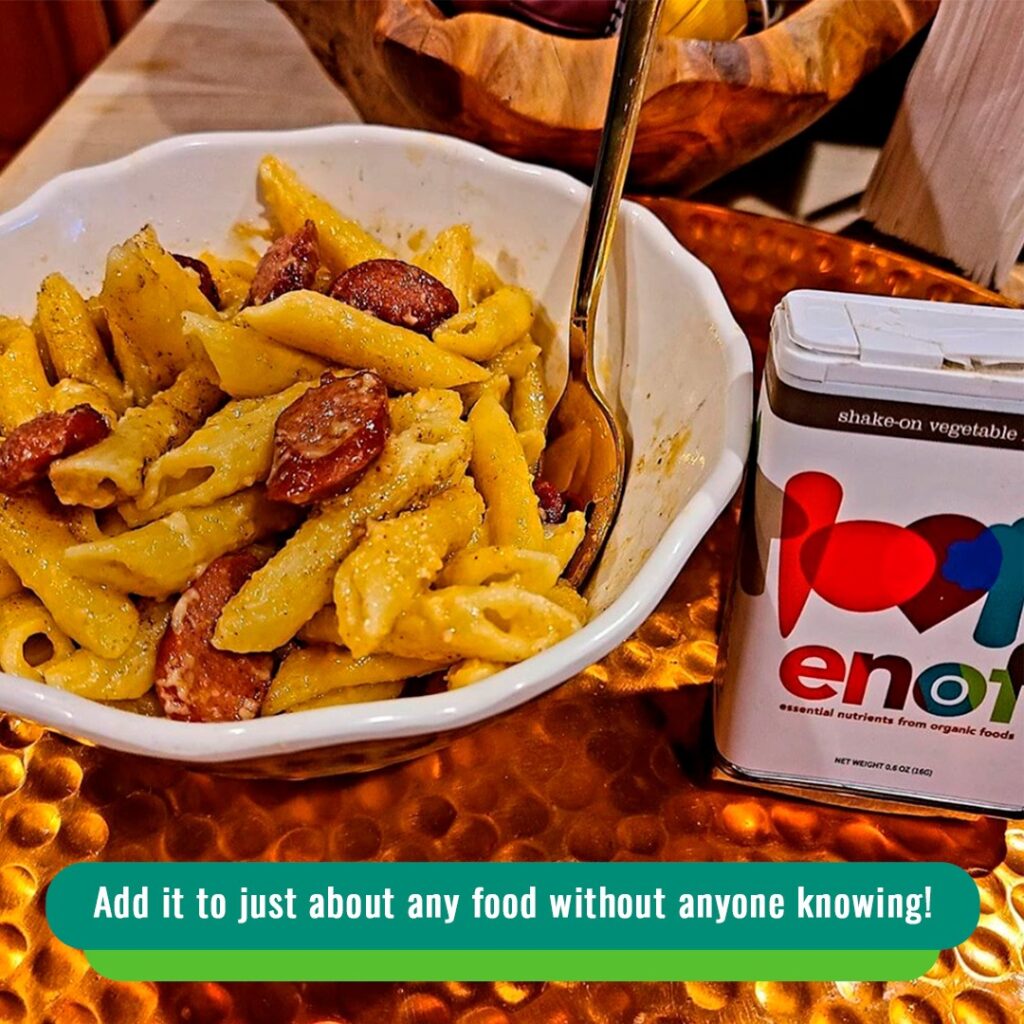
Many parents use it in:
- Pasta sauces
- Smoothies
- Scrambled eggs
- Soups
- Mac and cheese
- Rice dishes
Because the amount used is extremely small, children often don’t notice it’s there.
What Makes ENOF Different From Traditional Multivitamins?
Many children’s vitamins rely on synthetic ingredients and often contain added sweeteners, artificial flavors, or dyes.
ENOF takes a different approach.
Key features include:
- Made from organic fruits and vegetables
- No synthetic vitamins
- No artificial dyes
- No added sugars
- Vegan-friendly
- Gluten-free
- Non-GMO
Rather than functioning as a typical multivitamin, ENOF is designed to help families increase fruit and vegetable nutrition using concentrated real-food ingredients.
Thinking About Trying ENOF?
Many parents choose to start with a single can and see how easily it fits into their child’s routine.
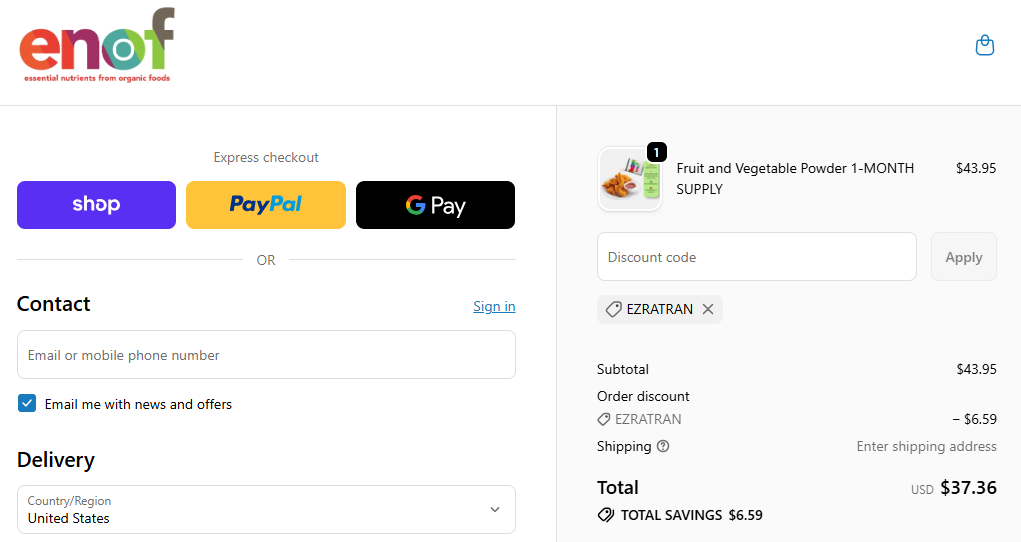
Exclusive 15% Discount Code: EZRATRAN
Link buy: https://simplyenof.com/?ref=nzpqljnj
Simply enter the code at checkout to receive 15% off your order directly from the ENOF website.
Note: The discount code currently applies to one-time purchases and may not be valid for subscription orders.
4 Easy Ways To Use ENOF In Everyday Meals
Breakfast Boost
Add ENOF to:
- Smoothies
- Pancake batter
- Oatmeal
- Scrambled eggs
This is one of the easiest times of day to add extra nutrition.
Lunch Upgrade
Try mixing ENOF into:
- Mac and cheese
- Tomato soup
- Sandwich fillings
- Wraps
Simple changes can make familiar meals more nutritious.
Dinner Support
Parents often add ENOF to:
- Pasta sauces
- Meatballs
- Tacos
- Rice dishes
- Stews
The powder blends easily into foods children already enjoy.
Better Snacks
ENOF can also be mixed into:
- Yogurt
- Muffins
- Banana bread
- Homemade snacks
This helps increase nutrient intake throughout the day.

Balancing Real Vegetables With Practical Solutions
It’s important to remember that no powder can completely replace whole vegetables.
Whole vegetables provide:
- Fiber
- Texture exposure
- Eating skills
- Healthy food habits
However, real life isn’t always perfect.
Busy schedules, picky eating, sensory challenges, and family stress can make it difficult to meet ideal nutrition goals every day.
Many families view ENOF as a nutritional safety net while continuing to encourage whole vegetables at meals.
A simple way to think about it is:
Visible vegetables = Long-term habit building
ENOF = Daily nutritional support when vegetables don’t get eaten
Final Thoughts
Helping kids eat more vegetables doesn’t require constant battles or endless negotiations.
A more realistic approach includes:
- Offering vegetables regularly
- Keeping mealtimes positive
- Involving kids in food preparation
- Making vegetables fun and approachable
- Using practical tools when needed
For families dealing with picky eaters, busy schedules, or sensory challenges, ENOF provides a simple way to increase fruit and vegetable nutrition without changing the taste of favorite foods.
If you’d like to try ENOF yourself, don’t forget to use the exclusive discount code:
EZRATRAN
to save 15% on your order.
Link buy: https://simplyenof.com/?ref=nzpqljnj
Small changes made consistently can have a lasting impact on your child’s nutrition and healthy eating habits.
Note: The discount code currently applies to one-time purchases and may not be valid for subscription orders.
Frequently Asked Questions
Is ENOF safe for children?
ENOF is made from organic fruits and vegetables and is commonly used by families looking for a convenient way to increase fruit and vegetable nutrition. Parents should always review ingredient information and consult their healthcare professional if they have specific concerns.
Can ENOF replace vegetables?
No. Whole vegetables should remain part of a healthy diet. ENOF is best used as a supplement to support vegetable intake when children don’t eat enough vegetables.
Does ENOF change the taste of food?
Most parents report little to no noticeable taste change when ENOF is mixed into foods according to the recommended serving size.
What foods work best with ENOF?
Popular options include smoothies, pasta sauces, soups, scrambled eggs, rice dishes, oatmeal, and baked goods.
How can I get my picky eater to eat more vegetables?
Consistency, repeated exposure, involving children in meal preparation, and using practical nutritional support tools can all help improve vegetable intake over time.
https://dealvit.com/simply-enof-review-the-easy-way-to-add-real-veggies-to-your-day
https://dealvit.com/simply-enof-for-picky-eaters-the-hidden-veggies-hack-parents-love
https://dealvit.com/best-greens-powder-for-picky-eaters-2026-is-simply-enof-worth-it