
Meta Description:
Struggling with leaks, heaviness or a weak core after birth? Discover what really works for postpartum pelvic floor recovery according to a pelvic health physiotherapist. Real results, science-backed tips and the game‑changing therapywear mums swear by.
Postpartum Pelvic Floor Recovery – What Actually Works? A Physiotherapist-Approved Guide for 2026
As a women’s health content creator with over 12 years of experience reviewing recovery solutions for thousands of new mums, I’ve heard the same question again and again: “What actually works for pelvic floor recovery after birth?”
The truth is, not everything marketed as “postpartum support” delivers real results. Some methods help a little. Others – when used correctly – can dramatically speed up healing, reduce leaks, ease prolapse symptoms and restore confidence.
Important: This guide is for educational purposes only and is not a substitute for personalised medical advice. If you’re experiencing severe pain, heavy prolapse symptoms or concerning bleeding, please speak with your doctor or a pelvic health physiotherapist before starting any new recovery strategy.
Today I’m breaking down exactly what science and real mums say works best in 2026, with a special focus on one solution that consistently stands out: targeted, physio‑designed compression therapywear.
Why Pelvic Floor Recovery Matters More Than Most People Realise
Pregnancy and birth stretch and weaken the pelvic floor muscles, fascia and connective tissue. For many mums this leads to:
- Stress incontinence (leaks when coughing, sneezing or exercising)
- Pelvic organ prolapse (that heavy, “dragging” feeling)
- Lower back pain and poor posture
- Diastasis recti (abdominal separation)
The good news? Recovery is possible – and often faster than you think – when you combine the right strategies instead of relying on just one tool.
What Actually Works: Evidence-Based Methods Ranked
1. Targeted Compression Therapywear (The Standout Winner)
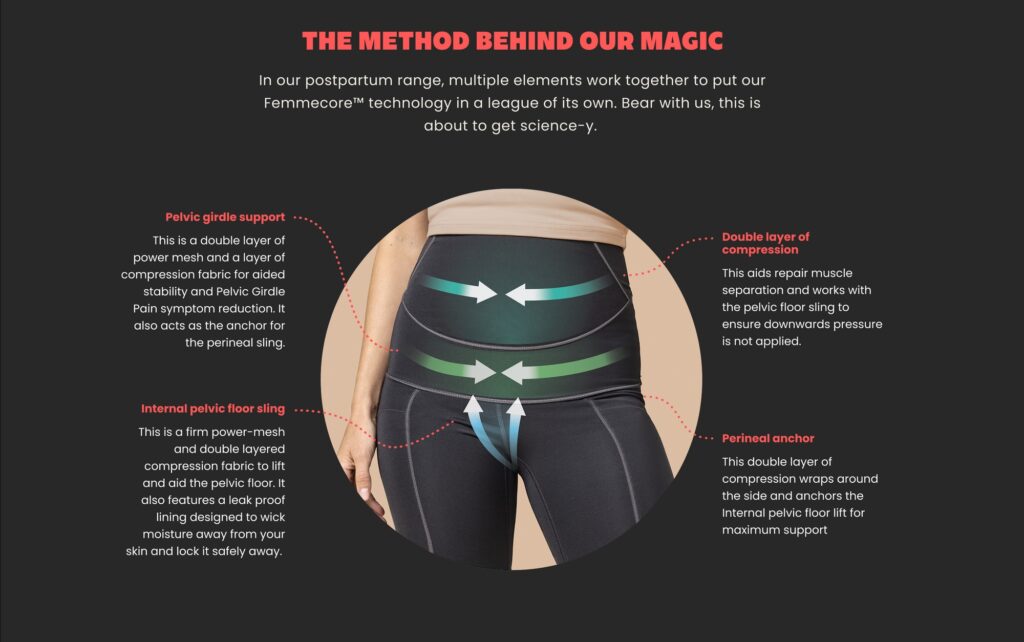
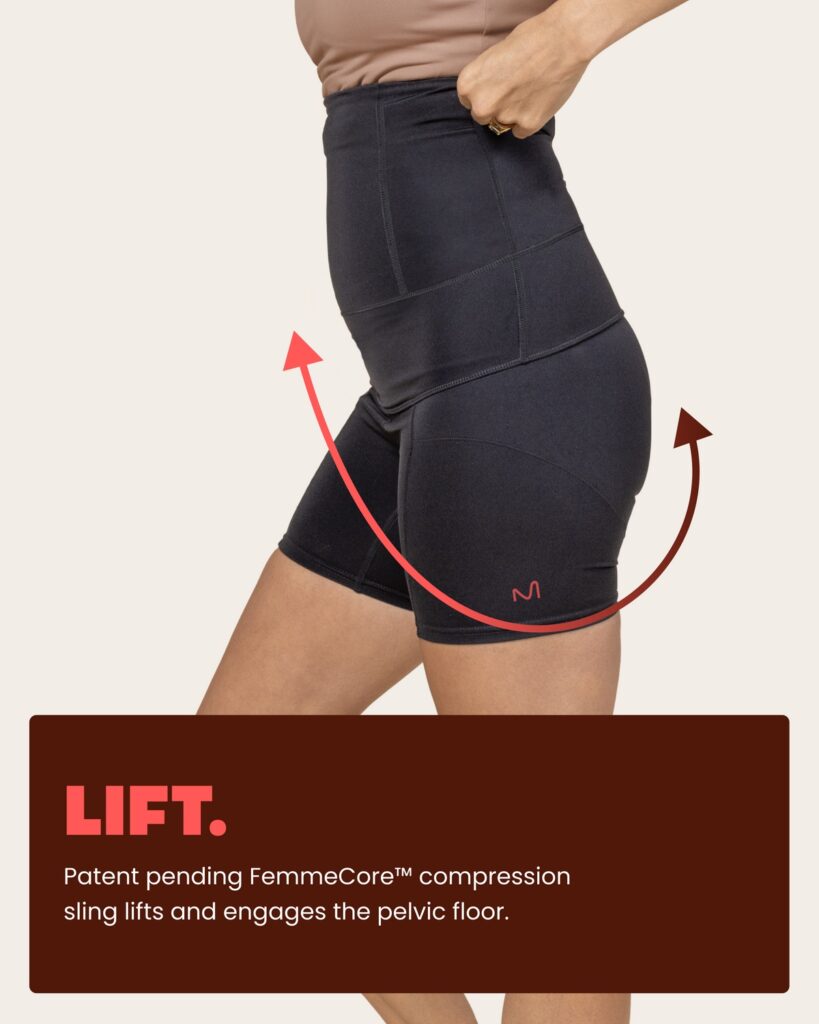
Modern physio‑designed garments like Everform Therapywear use patented FemmeCore™ technology to provide gentle, constant upward lift and support exactly where it’s needed. Unlike regular compression leggings or shapewear, these garments are clinically developed to:
- Lift and stabilise the pelvic floor
- Support the core and lower back
- Improve posture and reduce strain through the pelvis
- Help manage incontinence and mild prolapse without surgery
Everform’s patented FemmeCore™ compression panel is designed to lift the pelvic floor, align the pelvis and support the lower abdomen, rather than just “squeezing” the waist. It combines a pelvic floor sling with an inbuilt sacroiliac support band to improve alignment of the bladder, uterus and urethra – a key factor in reducing prolapse and stress incontinence.
Mums consistently report feeling “held together” and more confident within days of wearing them, especially when walking, lifting and caring for older children as well as their newborn.
2. Pelvic Floor Muscle Training (Kegels done correctly)
Pelvic floor exercises still matter – but only when they are done with the right technique and tailored to your body. Many mums unknowingly bear down instead of lifting, or over‑tense an already tight pelvic floor and see little improvement.
Working with a pelvic health physio to assess whether you need more strength, relaxation or coordination will always beat doing random Kegels from an app.
3. Posture & Breathing Techniques
How you breathe and stand affects your pelvic floor more than most people realise. Learning to breathe into the diaphragm, keep the ribcage soft, and gently activate the deep core can:
- Reduce downward pressure on the pelvis
- Support better spinal alignment
- Make every step, lift and feed less taxing on your body
4. Gradual, Supported Return to Exercise
Jumping back into running, HIIT or heavy lifting too soon can aggravate leaks, prolapse and back pain. A graded return – starting with walking, pelvic floor‑friendly strength training and low‑impact movement – allows tissues to heal while still rebuilding fitness.
Compression therapywear can be a powerful ally here, giving you extra support so you feel safer and more comfortable moving your body again.
5. Time + Patience (but you don’t have to wait passively)
Healing connective tissue and muscles takes months, not weeks. That doesn’t mean you have to suffer in silence. Tools like targeted compression, guided physio exercises, and smart movement choices can make those months far more comfortable – and often shorten the total recovery time.
In practice, I see the best results when mums combine:
- Daily or near‑daily wear of targeted compression (like Everform postpartum shorts or leggings)
- Guided pelvic floor training from a qualified physio
- Gentle walking and breathing work a few times per week
This trio does far more than any single method on its own.
Real Mums, Real Results
“I went from feeling like everything was falling out to being able to run after my toddler again in just 6 weeks. The difference with Everform is night and day.” – Sarah T., mum of two
“Finally something that actually lifts instead of just squeezing. No more leaks during walks and I feel like myself again.” – Emma L., first‑time mum
These aren’t glossy ad slogans – they’re the kind of feedback that keeps appearing from mums who tried belly bands, generic shapewear and random exercises first, and only then discovered what targeted, physio‑designed support can do.
Why Everform Therapywear Stands Out in 2026
Developed by a pelvic floor physiotherapist and mum of four, Everform Therapywear isn’t just another compression brand. Every garment is designed to support real postpartum bodies, with features that go far beyond aesthetic shaping:
- TGA‑registered medical devices for pregnancy, postpartum and surgical recovery (Australian medical device standard)
- Clinically tested for effectiveness in supporting pelvic floor and core function
- Patented FemmeCore™ technology providing pelvic floor lift, sacroiliac support and lower abdominal compression in one integrated panel
- Eligible for private health insurance rebates with many Australian health funds (often up to around $90 back on eligible garments)
The result is non‑invasive, wearable therapy that aims to treat underlying mechanics – pelvic alignment, support and load – rather than simply masking symptoms with a tighter waistband.
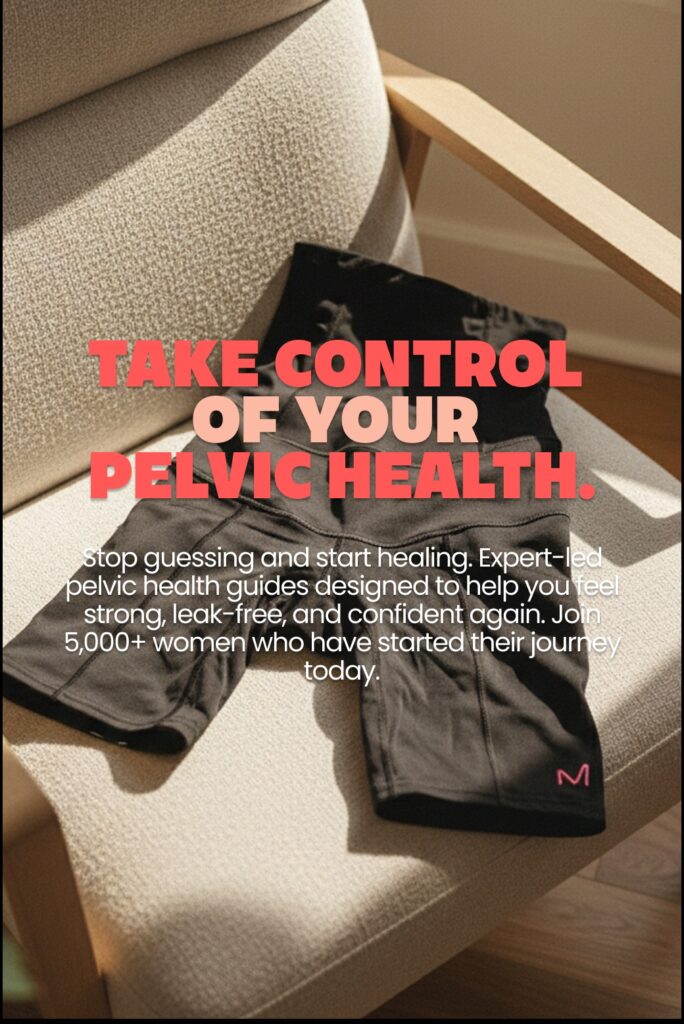
How Compression Therapywear Fits Into a Real Postpartum Plan
Think of Everform Therapywear as your “everyday foundation layer” for recovery:
- You put it on in the morning like you would a pair of leggings or shorts.
- It quietly supports your pelvic floor, core and lower back through feeding, lifting, walking and working.
- It complements, rather than replaces, your physio exercises and movement plan.
For many mums, this means:
- Less heaviness by the end of the day
- Fewer leaks with coughing, laughing and walking
- More confidence to return to gentle exercise and everyday life
Ready to Take the Next Step?
If you’re tired of guessing what works and want a solution that’s been designed by someone who truly understands postpartum bodies, Everform Therapywear is one of the smartest investments you can make in your recovery.
Whether you’re weeks, months or even years postpartum, it’s never “too late” to start supporting your pelvic floor and core more intelligently.
Lifetime Exclusive Deal for DealVit Readers
To make it easier to get started, I’ve arranged a personal, lifetime discount for DealVit readers.
Use code PHAMDUCBAC15 at checkout to get $15 off every time you purchase Everform Therapywear – no expiry, valid on all postpartum recovery garments and pelvic floor therapywear.
👉 Start with the Postpartum Recovery Shorts or Leggings and begin your recovery with confidence here: https://everformtherapywear.sjv.io/dealvit
You deserve support that actually supports you – not just your waistband.